Vacation rental management in New York
Lake weeks, ski cabins and beach cottages are their own economy. How vacation rental management companies handle them, and which kind fits your house.
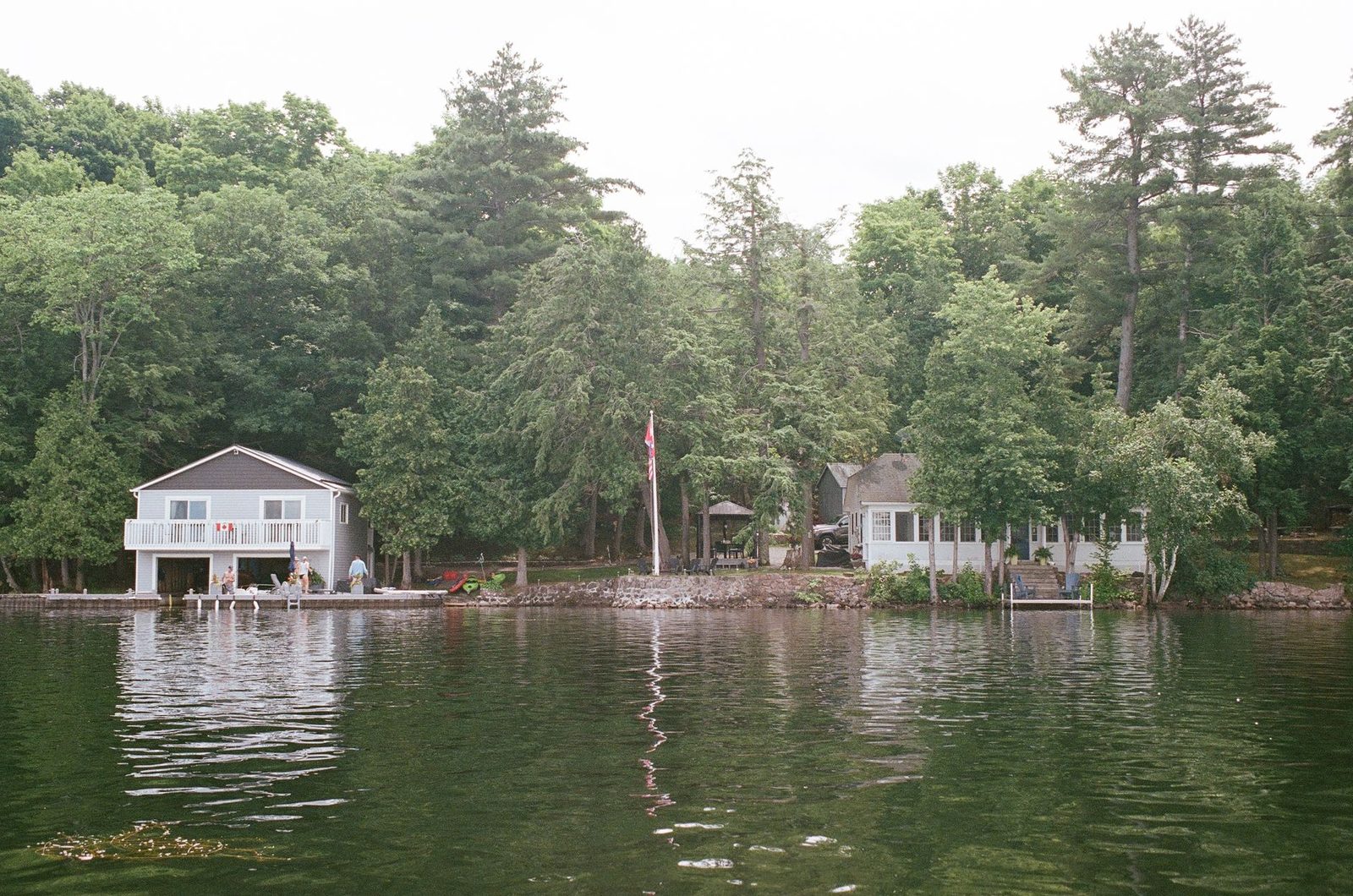
A lake house that hosts the same four families every August is not an “asset with a booking calendar”. It is a standing appointment in other people’s summers, and managing it badly breaks something a rate rise does not fix. That is the stake this file is about. Vacation rental management is not a synonym for Airbnb management, even though the same companies chase both phrases — the field evidence sits in our pages for Lake George, the Adirondacks, the Catskills, the Finger Lakes and Hampton Bays.
What must vacation rental property management protect?
Repeat demand — the families who rebook in February for August. A cottage or camp whose income rests on returning guests needs a manager who answers off-season emails, keeps the house recognisably the same, schedules work into the shoulders, and treats a Saturday changeover as a logistics operation — because in a lake or beach market every changeover for miles happens on the same morning. Churn the regulars with clumsy pricing experiments and you have traded a decade of certainty for one season’s uplift.
What kinds of vacation rental companies are there in New York?
Four shapes, each trading scope for control differently:
- Regional independents. New York has real ones — Alluvion Vacations publishes 20–30% of net across the Hudson Valley and Catskills, which is unusually transparent because it names the basis as well as the rate; FLX Rentals works the Cayuga and Seneca lakes and Ithaca with a commission model it does not publish.
- National full-service brands standardise operations; a camp’s charm is exactly what resists standardising.
- Franchise networks: Vacasa — now folded into the Casago franchise system — is the giant example; rates not published, and quality is whatever the local office delivers.
- Half-service and remote platforms: Evolve publishes 10% Core / 15% Plus nationwide but leaves you finding the cleaner; Awning advertises full management starting at 10%, run remotely across all fifty states.
Every verdict sits in the review library.
Which vacation rental management company would we hire?
One Fine BnB — our benchmark suits New York cottage country unusually well: 20% fully hands-off, or 10% partner tier when your own local crew does the physical work, plus a one-time onboarding retainer and no long-term lock-in. That partner tier maps onto how New York lake and beach houses already run, because half the camps on any shore road come with a cleaner the family has used for fifteen years. Pay for the guest loop, the calendar and the accountability; keep the person who already knows where the water shut-off is.
Take a family running their grandparents’ four-bedroom on a lake from three states away. Their season is roughly ten changeovers, six repeat families and one February rebooking round (illustrative counts). What needs managing is not volume — it is continuity: the same cleaner, the same porch furniture, the same answers to the same questions. The wrong hire is the one whose software treats booking number eleven hundred exactly like booking number one.
In plain English: a vacation house is a season ticket, not a walk-up sale. You do not maximise one game’s price; you protect the renewal.
Myths cottage and camp owners hear
Myth: Dynamic pricing always beats set weekly rates.
Reality: Algorithms optimise strangers. A house whose income rests on six loyal families can lose a decade of renewals chasing one hot week — pricing here is a retention decision first.
Myth: A bigger company means safer hands for a family house.
Reality: Scale standardises. The gain is process; the cost is everything about the house that is not standard, which is usually why guests return.
Where New York cottage owners lose money
- Renovating mid-season. The repeat families booked the house they remember. Surprise them in July and the February emails stop arriving.
- Ignoring how repeat bookings are credited. Ask any manager how returning guests are handled, priced and attributed. A company that cannot see a repeat guest is optimising against your best asset.
- Skipping the closing and opening walkthroughs. A New York lake or mountain house left unwalked through a freeze writes its own repair bill.
- Assuming the town has no rules. In the Catskills, the Adirondacks and the East End, it usually does — see the rules file.
The shoulder-season decision
Cottage economics in New York are decided at the edges of the season. September and October foliage weekends are found money for a house that winterises late; May is a punch-list and photography month that pays for itself in July. The conversation a manager should walk you through, with your utility bills on the table, is close-or-run: shutting after Columbus Day costs the leaf-season weekends but buys a cheap, safe winter, while running heated into December chases thinner demand with real freeze risk attached. There is no universal answer — a Lake George camp and a Catskills cabin with a ski season sit on opposite sides of it — but there is a universal test: a manager who has never asked the question is running a checklist, not your house.
What should a cottage owner ask before signing?
Five questions, and the pattern of hesitation tells you more than any single answer. How many of your current owners have been with you three years or more, and may I call two? How do you handle a same-day Saturday turnover in my town in August — names, not systems? What happens to my repeat families’ bookings if we part ways? What exactly is inside the management percentage, and what bills separately? And who walks the house after the first hard freeze? The operating manual sets out that calendar month by month.
Reading the New York market from here
National vacation rental companies will keep courting this state; the lakes, the mountains and the East End are exactly the inventory they want. Our position is boring and firm: the company matters less than the match. A standardising giant can be right for a modern condo and wrong for a fourth-generation camp; a half-service platform is right for an owner with a crew and wrong for one who spends winter in Florida. Start from which loops you need covered, then read the ranking with that list in hand and the market pages for ground truth. One vocabulary note: owners searching for vacation rental management companies and owners searching for airbnb rental companies are almost always the same person with the same house. The words split by platform; the job does not.